Social media has never been bigger. So why is it getting harder?
Let's start with how big this is
Social media is the set of platforms where people create, share and talk to each other: Instagram, TikTok, YouTube, LinkedIn, Reddit and the rest. You already sense it's huge. It helps to see the actual numbers, because they explain everything that follows.
That's what the world spent on social media ads in 2026. A third of a trillion dollars, in a single year. (Exactly $338.75B.)
And it's still climbing. That's the forecast for 2030 ($530.34B), growing at a 11.9% compound annual rate.
That's how many of us will be on social media by 2030 (6.61B). And 82.9% of that money will reach us on a phone.
The US on its own, and still the largest single market in the world. Useful context: one country is about a third of global spend.
It didn't get here overnight
Look at how the money arrived, because the shape of that line explains the pressure everyone is under today.
From $12B to $339B in about a decade
$12.3B · $93B · $155B · $226B · $276B · $339B. Each year on the axis is spaced by real time, so you can see the climb getting steeper as it goes.
Three things happened
2015. The baseline era. US spend was around $12.3B and social was still a nice-to-have. (Forrester)
2019 to 2020. The pandemic accelerated the budget shift to digital and social. This is the steep part of the line.
2023 to 2026. Growth slows down but keeps compounding, holding roughly 12% a year. Slower is not smaller.
Now watch what happens to the money
Marketing budgets aren't actually growing. So every extra euro going into social has to be taken from somewhere else, which means it has to prove it made money. Watch what happens when marketers try.
Everyone plans to spend more. Almost nobody does.
Marketers said 20% of their budget would go to social. It's been stuck near 11% for years. They still believe it'll hit 18% within five. Notice the gap between the plan and reality.
And the whole marketing budget is stuck too, at 7.7% of company revenue, flat two years running (Gartner). A second survey puts it at 9.4%, but that sample leans towards larger US firms, so treat the gap as a range rather than a contradiction. Either way, 61% of it already goes to digital.
It doesn't just advertise now. It sells.
People buy without ever leaving the app. That's why your social work gets judged on sales, not likes.
 Sound
Sound
So where does the money go?
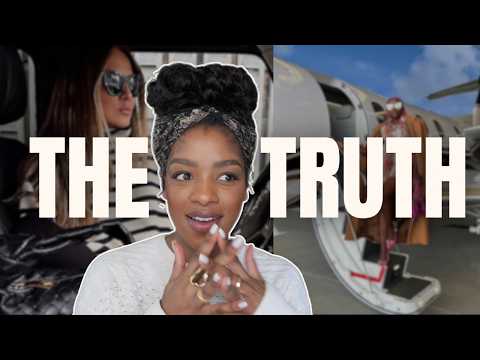
Increasingly, straight to people. Here a creator shows you her actual rates. Brands aren't buying ad space any more, they're paying humans.
Meanwhile, we changed how we use it
Think about your own habits. You probably post far less publicly than you did five years ago, and share far more in group chats. That matters, because it means the conversations that actually convince people have moved somewhere brands can't buy into.
 Sound
Sound
Why did everyone stop posting?
You're not imagining it. Public feeds really did go quiet, and this explains where all the sharing went.
 Sound
Sound
And the audience sets the language
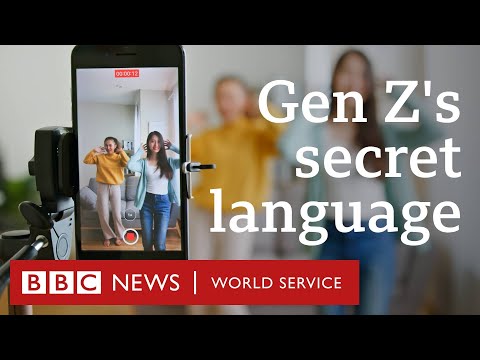
Slang, humour, even how sentences work now get shaped inside these communities. If you can't speak it, you just sound like an ad.
So where does that leave us today?
Here are the three trends to know. Read them together, because they all squeeze the same thing: your ability to actually reach people.
Ads got this much more expensive since 2024. On Meta, reaching a thousand people went from about $9 to $11. Same audience, higher bill.
That's how many of your own followers see a Facebook post you didn't pay for. On Instagram, engagement now averages 0.45% and has dropped three years running.
Of brands now pay creators, and it does work. But when everyone is doing it, it becomes the price of entry rather than an edge.
Ads keep getting pricier. Free reach is basically gone. So how do you reach people?
You can't outspend this. The only reach that still grows on its own is the kind people pass along themselves.
By the end of this Learning Bite you'll be able to explain why a community out-performs paid reach, and name the first three moves you'd make to start one for your own brand.